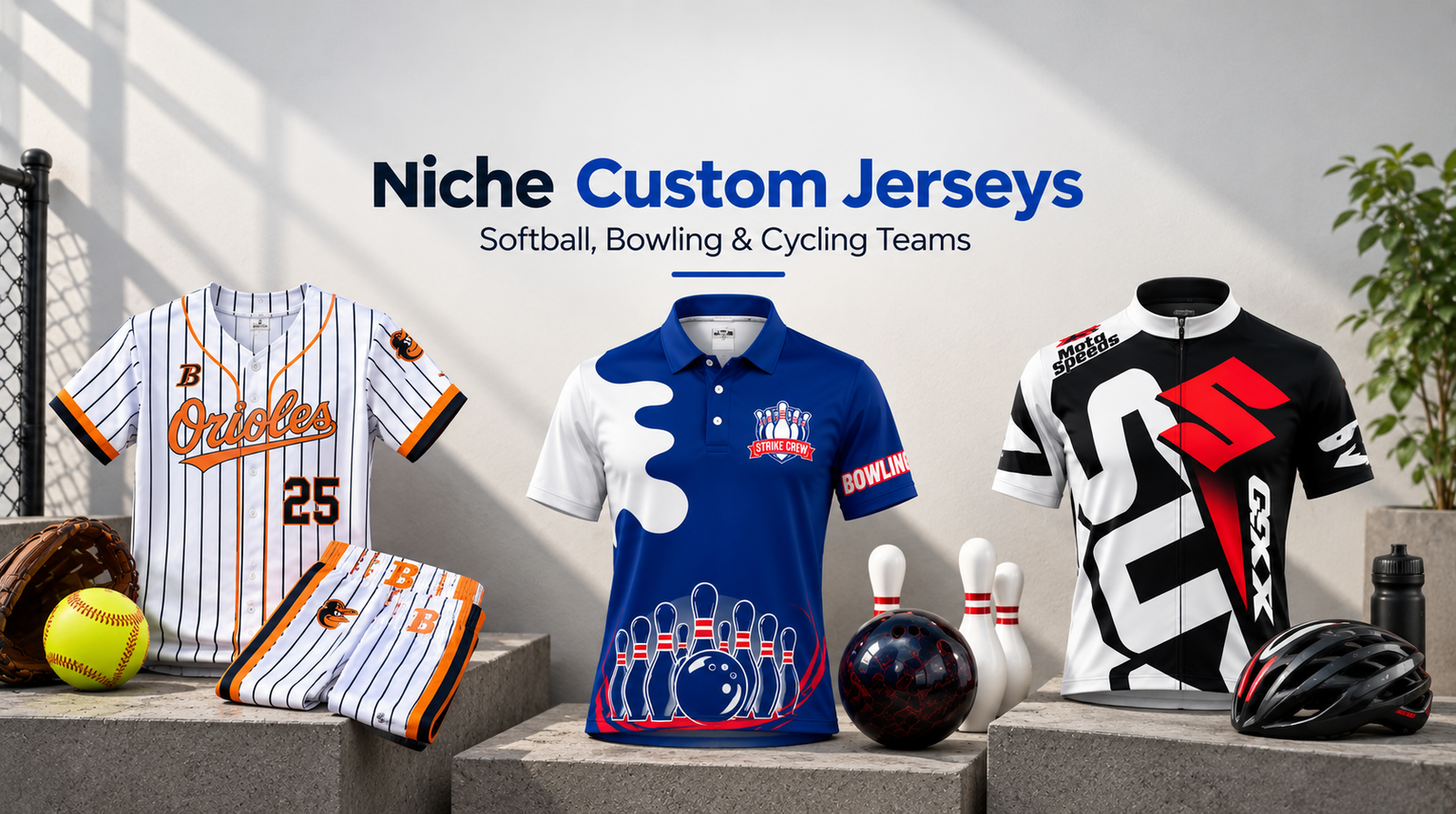
Softball, bowling, and cycling jerseys aren’t interchangeable, even though all three get lumped under “custom team jerseys” in a search bar. Each sport asks for a different fit, a different fabric priority, and a different printing approach. Get those three details right and your jersey actually works for the sport it’s built for, not just for a photo.
This guide breaks down what each one needs, where FANKIT fits into that picture today, and what to send along when you’re ready to order for your team.
Table of Contents
- Softball: built for sliding, diving, and heavy wear
- Bowling: where personality matters more than performance fabric
- Cycling: the most technical fit of the three
- Comparing the three at a glance
- Where FANKIT fits into a niche order like this
- What to send when you reach out about a niche order
- Sizing across three different sports
- Know your timeline
- FAQ
Softball: built for sliding, diving, and heavy wear
A custom softball jersey has to survive a moving, sliding, diving sport, so the fabric has to keep up. Moisture-wicking polyester is the standard across the industry, since a heavy cotton blend soaks through and stays wet for the rest of the game.
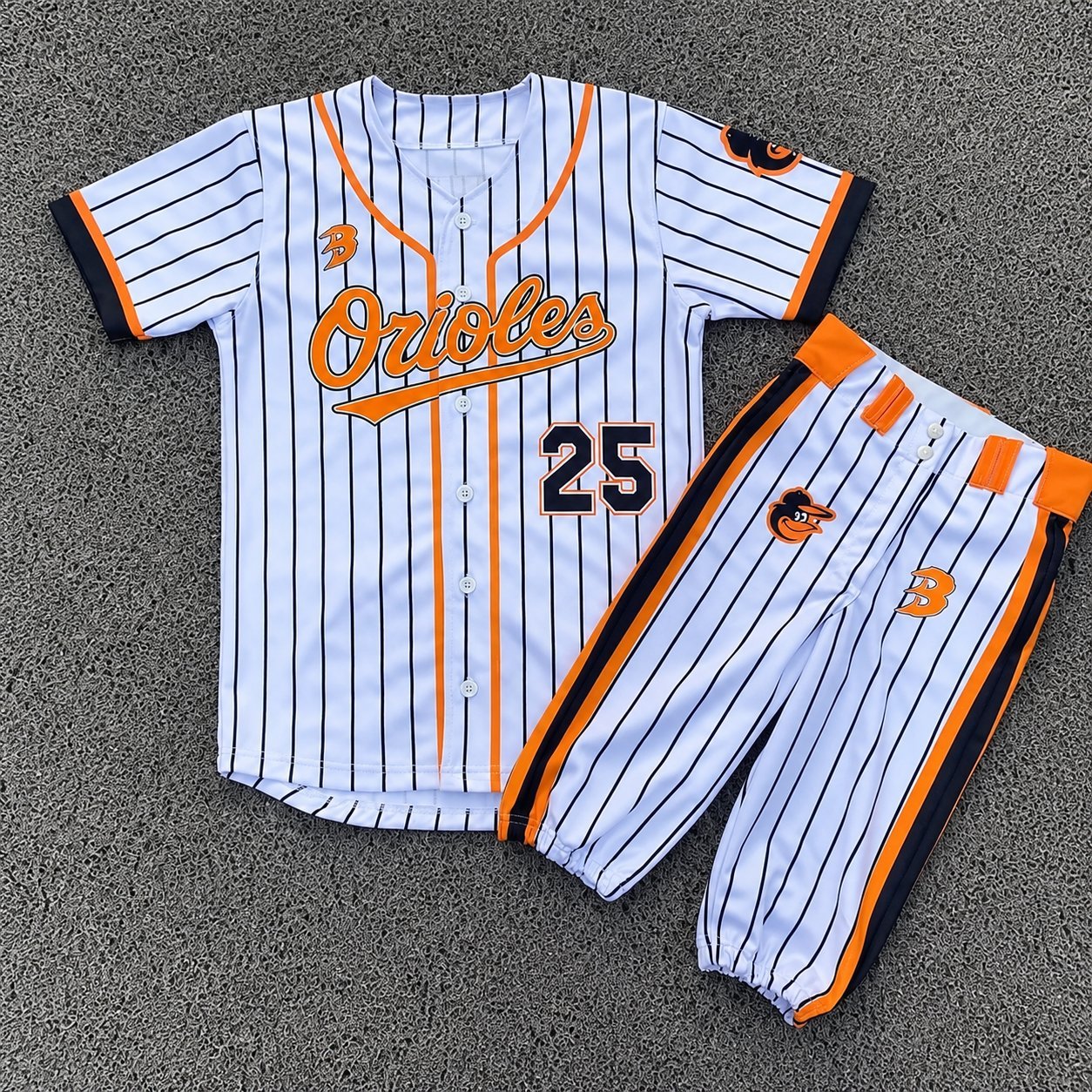
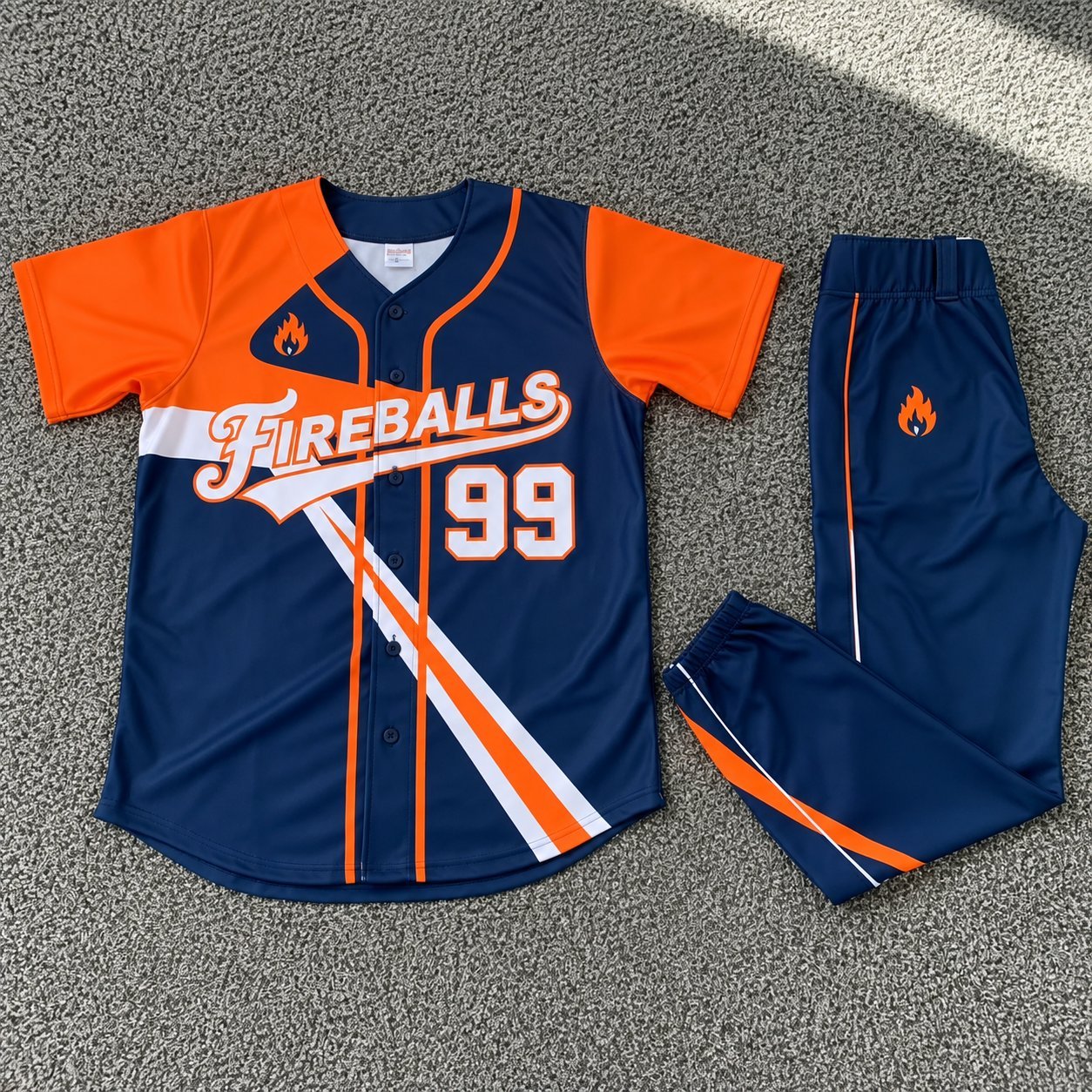
Fit varies more than you’d expect. Some teams want a button-front jersey that mimics a traditional baseball look. Others go with a pullover style that’s easier to move in and cheaper to produce. Neither is wrong. It comes down to whether your league leans traditional or your team just wants something comfortable for a weekly rec game.
Sublimation printing works best for a full team design, since the color gets dyed into the fabric instead of sitting on top of it. If you’re just adding a name and number to an existing jersey, screen printing or heat transfer usually gets the job done for less.
Most softball teams order jerseys as a set with matching pants. Decide that upfront, since a jersey-only order and a full-uniform order are two different conversations with any manufacturer, FANKIT included.
Bowling: where personality matters more than performance fabric
A custom bowling jersey isn’t athletic wear the way softball and cycling jerseys are, and that changes the whole brief. Nobody’s sliding into a base in a bowling shirt. The fabric priority shifts from moisture control to how the shirt looks and holds a print.
The classic bowling shirt silhouette, a camp collar, button front, and often a chest pocket, comes from mid-century league bowling culture, and a lot of teams still want that retro look on purpose. Loud patterns, bold team names, and a slightly oversized, relaxed fit read as “bowling shirt” more than a fitted athletic cut does.
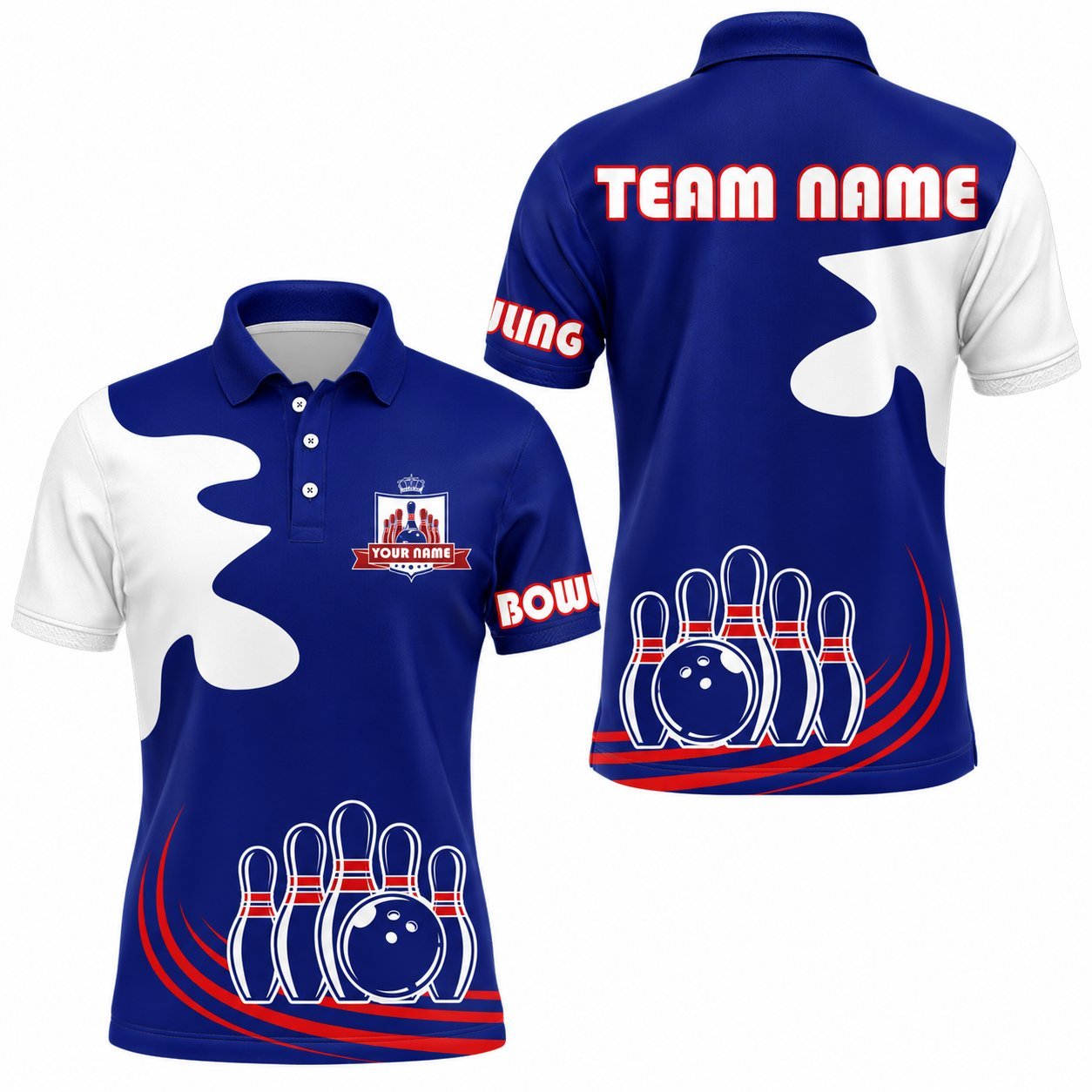
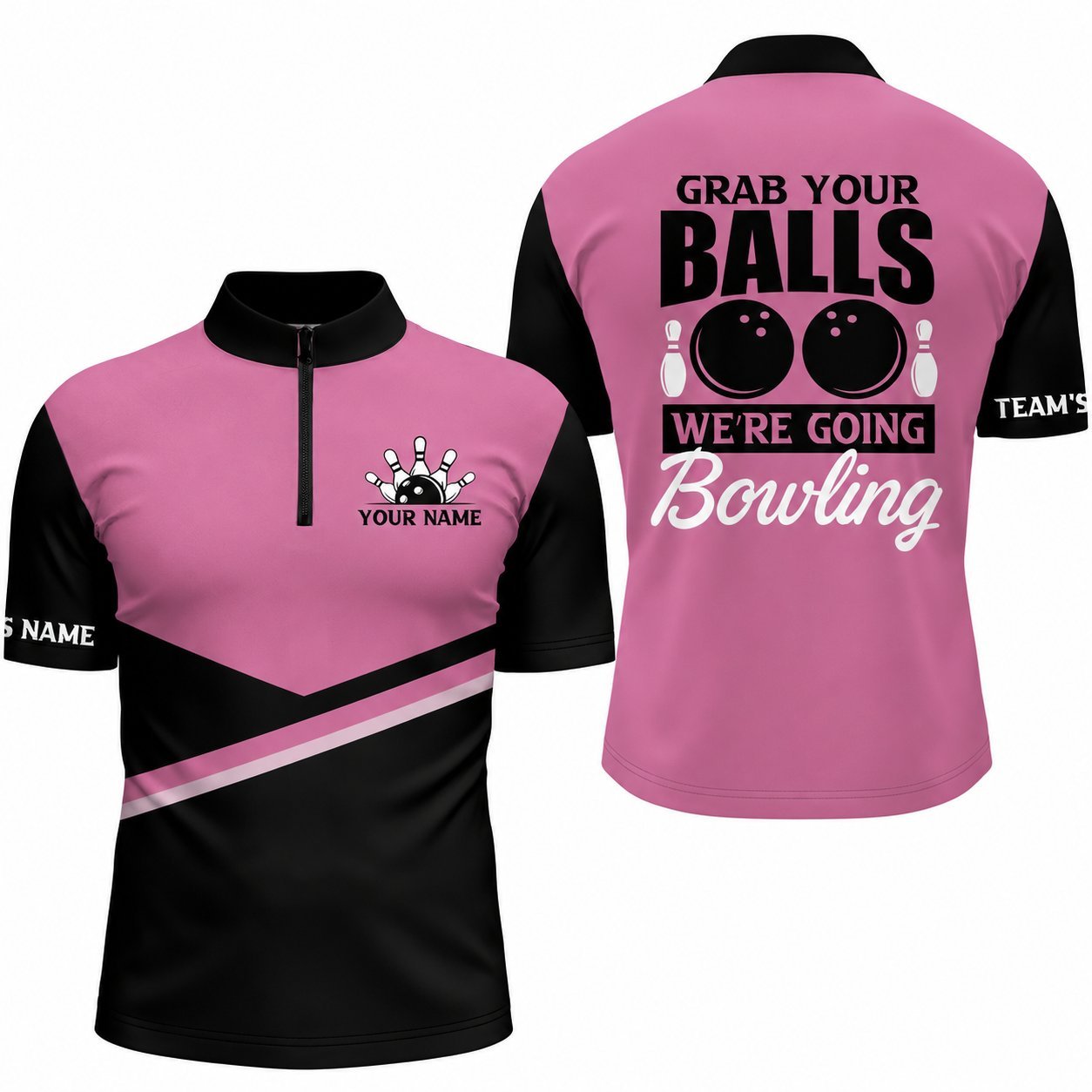
Printing technique matters less for performance here and more for how sharp the design looks. A team logo, a league name, and individual names on the back are the typical ask. Screen printing handles bold, simple graphics well, while sublimation covers a full all-over pattern if your team wants something louder than a standard logo placement.
Because bowling shirts lean toward personality over performance, this is one of the more fun custom orders a team can put together. A league full of ironic team names and matching loud shirts gets remembered.
Cycling: the most technical fit of the three
A custom cycling jersey answers to performance first, more than either softball or bowling does. A relaxed fit that works fine for softball or bowling turns into flapping fabric and wind drag on a bike.
Cycling jerseys run snug on purpose, closer to a compression fit than a standard athletic cut. Full-zip fronts let a rider vent heat mid-ride, and the standard three-pocket back panel holds a phone, snacks, or a spare tube without a bag. If you’re ordering cycling jerseys for the first time, expect the sizing to run tighter than a soccer or basketball jersey at the same labeled size.
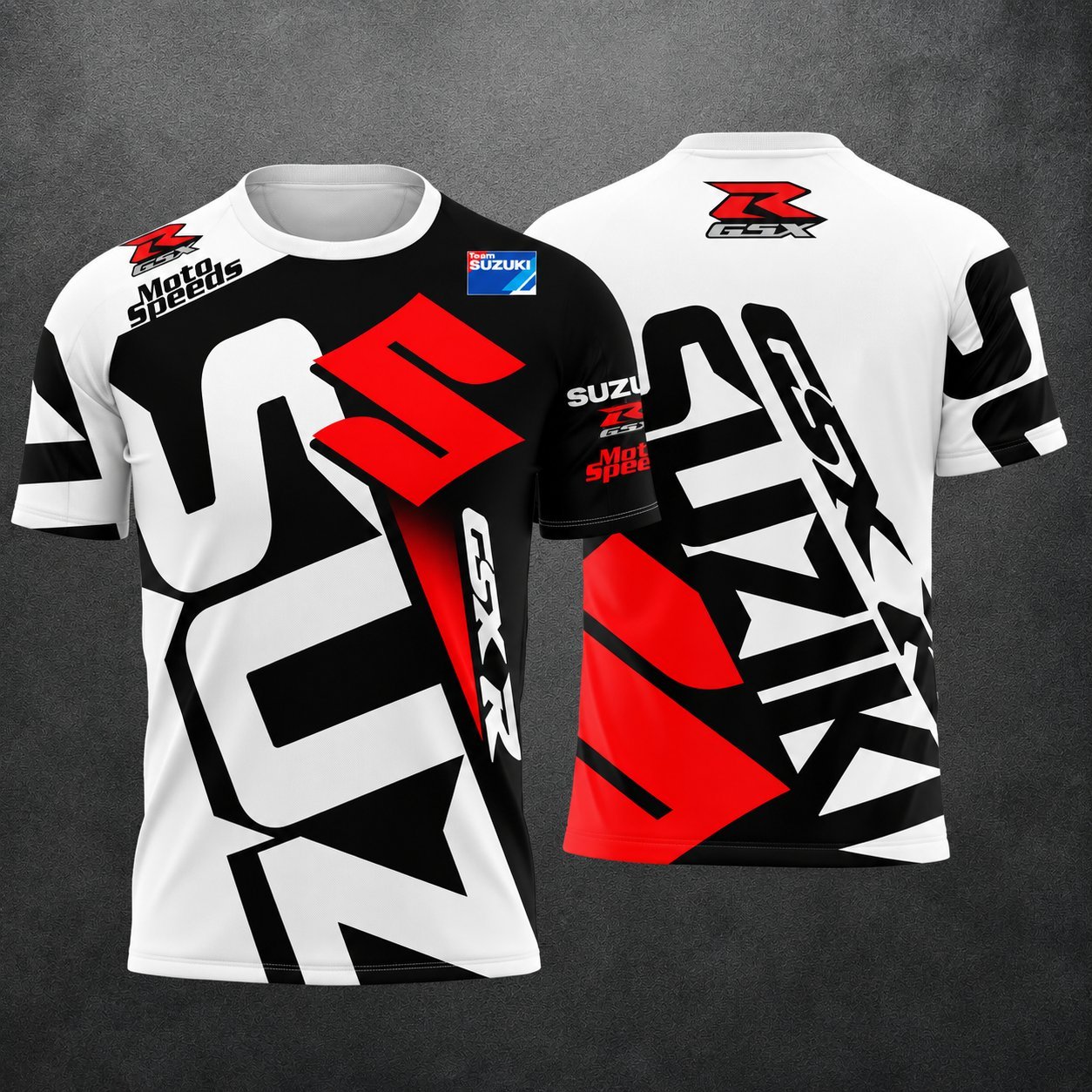
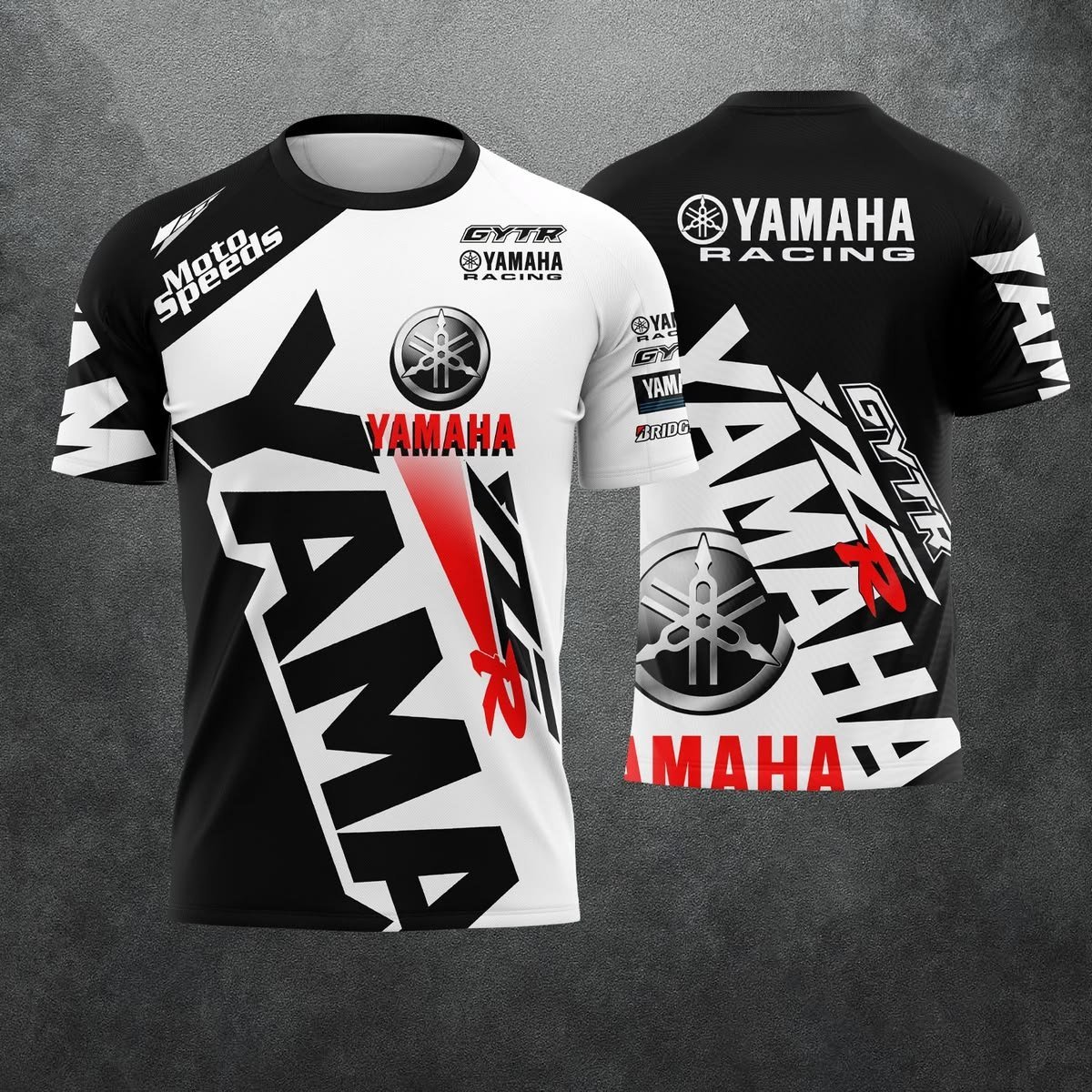
Sublimation is close to the default for cycling jerseys specifically, since the tight, technical fabric doesn’t hold a screen-printed graphic as well as a looser cotton-blend shirt does. Bright colors and reflective or high-visibility accents matter more here too, since a lot of cycling happens on roads shared with traffic.
Weather matters more for a cycling order than it does for softball or bowling. A jersey built for a hot summer century ride and one built for cool-weather training rides usually aren’t the same fabric weight.
Comparing the three at a glance
| Sport | Fit priority | Typical fabric focus | Best printing match |
|---|---|---|---|
| Softball | Athletic, room to move and slide | Moisture-wicking polyester | Sublimation for full designs, screen or heat transfer for name/number only |
| Bowling | Relaxed, retro camp-collar silhouette | Print clarity over moisture control | Screen printing for bold graphics, sublimation for all-over patterns |
| Cycling | Snug, compression-style performance fit | Moisture-wicking with aerodynamic weave | Sublimation, close to standard for technical fabric |
Scope note: these are general industry standards for each sport, drawn from how custom apparel makers across the space typically build these jerseys, not FANKIT’s own published test data.
Already know which sport you’re ordering for? Send FANKIT your details now and get a straight answer on fit, fabric, and feasibility before you spend time designing anything.
Where FANKIT fits into a niche order like this
FANKIT’s structured custom order flow currently names four categories directly: soccer, basketball, rugby and training wear, and kids’ team sets. Softball, bowling, and cycling aren’t listed among those by name.
That doesn’t rule them out. It means you’re better off asking directly instead of assuming a listed price, fabric, or fit applies the same way it does to a named category. A manufacturer built around soccer and basketball fabric doesn’t automatically stock a bowling shirt’s camp collar or a cycling jersey’s compression weave, so confirm what’s actually possible before you commit a team’s worth of budget to a design.
This is a normal step with almost any custom apparel maker once your sport falls outside their main product lines, not a red flag specific to FANKIT. Send FANKIT a clear brief and you get a straight answer on fit, fabric, and minimum order size, instead of guessing from a page built for soccer and basketball buyers.
What to send when you reach out about a niche order
Contact FANKIT with a clear brief instead of a vague request. A vague message gets a vague answer, and a specific one gets you a real quote faster. Cover these points in your first message:
- Sport and jersey type. Softball, bowling, or cycling, plus button-front, pullover, camp-collar, or full-zip.
- Roster size. Even a rough headcount helps FANKIT scope pricing.
- Fit and fabric weight. Loose and breathable, snug and technical, or something in between.
- Reference image. A shirt you already like, a competitor’s design, or your own rough sketch.
- Minimum order quantity. Ask directly whether a single piece is possible or whether there’s a team minimum, and whether reorders later carry a different minimum.
- Sample option. Ask whether you can get one sample made and approved before the full order goes into production.
- Collar, zip, and pocket details. Camp collar and chest pocket for bowling, full-zip and rear pockets for cycling, button-front versus pullover for softball.
- Artwork format and personalization cost. Confirm the accepted file types, the file size limit, and whether names and numbers are priced separately from the base jersey.
- Production timeline and shipping deadline. State your real deadline, like a league start date, so FANKIT can tell you upfront if it’s realistic.
- Budget range. Gives FANKIT a target to design around instead of guessing.
Sending all of that in one message, rather than a back-and-forth of one question at a time, gets you a usable quote faster.
Sizing across three different sports
FANKIT’s size guide covers general men’s, women’s, and kids’ ranges, but a general chart doesn’t automatically map onto every sport’s typical fit. A softball jersey and a cycling jersey can both be labeled “medium” and fit completely differently, since one is built loose for movement and the other is built snug for performance.
If you’re ordering cycling jerseys specifically, ask whether sizing runs true to a standard athletic chart or tighter, since a compression-style fit often does. For bowling shirts, a relaxed retro fit usually means you can size closer to your regular shirt size instead of an athletic cut.
Get one sample sized and approved before committing a full roster, whichever sport you’re ordering for. That single check saves you from a box of jerseys that don’t fit the way your team expected.
Know your timeline
A niche order that isn’t part of FANKIT’s named categories likely takes longer to plan than ordering from an existing soccer or basketball listing, simply because more gets confirmed upfront: fabric, fit, and feasibility, before production even starts.
FANKIT’s shipping policy lists processing and shipping estimates for its standard orders, but treat those numbers as a starting reference rather than a guarantee for a custom sport request. Ask for a real timeline once you’ve confirmed the design and fabric for your specific order, especially if you’re working toward a league start date or a season opener.
Build in a buffer regardless. A custom order outside a manufacturer’s usual product lines has more steps between your first message and a finished jersey than a standard checkout purchase does.
FAQ
Does FANKIT make custom softball jerseys?
Softball isn’t one of the four sport types named in FANKIT’s structured custom order flow, soccer, basketball, rugby and training, and kids’ team sets. Reach out directly with your fabric and fit preferences to find out what’s possible for your team.
Are bowling jerseys the same as athletic team jerseys?
No. A bowling jersey typically uses a relaxed, retro camp-collar silhouette built for looking good rather than performance fabric, while an athletic jersey prioritizes moisture-wicking and freedom of movement.
Why does a cycling jersey fit tighter than a soccer jersey in the same size?
Cycling jerseys use a compression-style fit for aerodynamics, while soccer jerseys are cut looser for running and ball control. Two jerseys labeled the same size can fit noticeably differently between sports.
What printing method works best for a full custom softball design?
Sublimation, since the design gets dyed into the fabric rather than printed on top of it. For a simple name and number on an existing jersey, screen printing or heat transfer costs less and still holds up well.
Can I order just one bowling jersey, or does it have to be a team order?
That depends on the manufacturer’s minimums. Since bowling isn’t one of FANKIT’s named categories, confirm directly whether single-piece or team-minimum orders apply before you commit to a design.
What makes cycling jerseys need reflective or high-visibility details?
A lot of cycling happens on roads shared with vehicle traffic, so bright colors and reflective accents help other road users see a rider, especially in low light.
How long does a custom niche jersey order take compared to a standard soccer jersey?
Expect it to take longer, since fabric, fit, and feasibility for a sport outside FANKIT’s named categories usually need confirming before production starts, on top of the standard processing and shipping estimates.
Do I need a reference image to order a custom bowling or cycling jersey?
It helps considerably. A reference photo or rough design idea gives a manufacturer something concrete to work from instead of interpreting a text description alone.
Is personalization, names and numbers, available on a niche sport order?
FANKIT’s standard personalization process applies across its named categories for a small per-item fee. Ask whether that same process and fee apply to your niche sport order when you reach out.
Ready to ask about your team’s order?
Send FANKIT the sport, the jersey type, your rough roster size, and a reference image. The customization team will reply with what works for a niche order and what doesn’t.